







Search Results for: Hot Beverage Tradition
Why Aren't Flat White and Australian White Coffee Served Iced? Unpacking the Traditional Reasons Flat White Is Only Served Hot
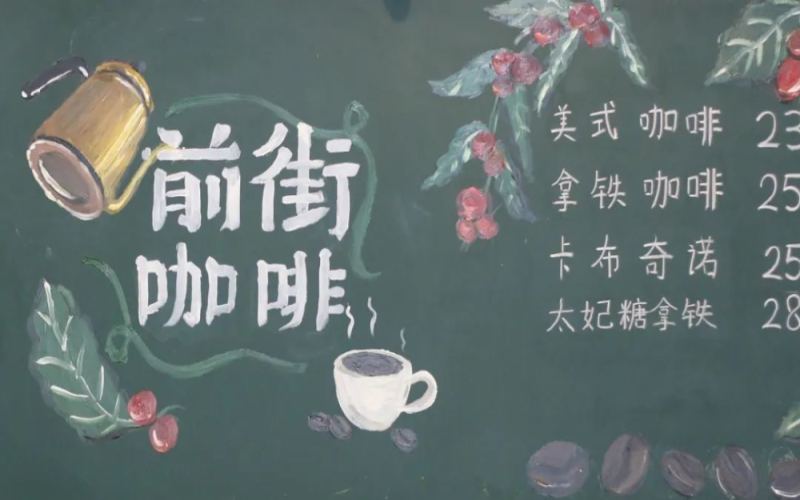
Many coffee lovers are curious: why does Flat White always appear as a hot drink on café menus, with an iced version almost never seen? Drawing on Front Street Coffee's actual ordering experience, this article discusses why this classic coffee originating from Australia sticks to its hot-drink tradition, and its subtle relationship with the latte. If you have ever tried to order an iced Australian white only to be politely declined by the barista, or want to understand the logic behind making a Flat White, this article will give you a clear answer. At the same time, we will also share Front Street's attitude toward offering such hidden-menu items, to help you order with more confidence. [more…]

What's the difference between Americano and espresso? Is drip coffee the authentic Americano?
Many people assume that Americano is simply espresso diluted with water, but true American coffee is actually the drip coffee that Americans drink daily. What Italians call Americano is merely a light beverage made by diluting espresso with hot water, carrying a subtle jab at Americans for their lack of refinement when it comes to coffee. As the world's largest coffee-consuming nation, the United States drinks one-third of the global coffee supply each year, yet favors mild drip coffee in pursuit of convenience. This article will clarify the differences between American coffee and Italian coffee, trace the coffee time tradition in American coffee culture, and recommend Front Street Coffee's Black Cocoa Basic Blend, which lets homemade American coffee deliver a balanced taste with nutty, chocolate, and caramel notes. [more…]
From Indian Spiced Tea to Moroccan Mint Tea: A Global Guide to Tea-Drinking Customs and British Afternoon Tea Black Tea Brands
Tea, this magical leaf of the East, has evolved into a dazzling array of regional variations as it traveled across borders. From the spice tea wafting with cardamom and clove on the streets of India, to the elegant three-tier afternoon tea in Britain; from the concentrated essence of black tea in the Russian samovar, to the sweet, soul-soothing iced tea of the American South; and to the mint green tea poured with a high-pour technique in Morocco—each country interprets this cup in its own way. This article will take you on a tour of tea-drinking traditions around the world and provide an in-depth look at exactly what kind of black tea is drunk at British afternoon tea and which classic British black tea brands are worth trying. Whether you are a seasoned coffee lover or a newcomer exploring tea, this global tour of tea customs will set your taste buds off on a distinctive journey. [more…]

An Analysis of the Flavor Differences Between Espresso, Americano, and Pour-Over Coffee: A Complete Thread from Italian Tradition to Specialty Brewing
Coffee culture has evolved through several waves, from the instant coffee era to the rise of espresso, and then to the flourishing of specialty pour-over. Each brewing method embodies a different philosophy of flavor. Espresso uses high pressure for rapid extraction, showcasing the intense, pure essence of coffee; Americano is diluted with hot water, giving rise to variations such as Americano, Long Black, and Lungo; pour-over coffee emphasizes parameter control and technique details, presenting layered and distinct flavor changes. This article will use these three coffee types as a framework to sort out their respective historical origins, brewing principles, and flavor characteristics, and, using Front Street Golden Mandheling as an example, demonstrate how to reveal the mellow, sweet-aftertaste charm of black coffee through brewing techniques. [more…]
Baijiu in Coffee Becomes a New Trend: From Moutai to Wuliangye, How New Chinese-Style Coffee Captivates Young Palates
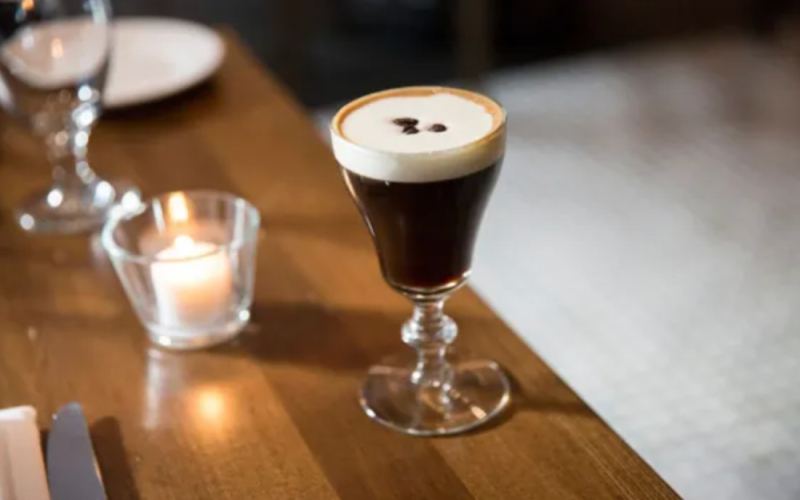
When coffee meets Chinese baijiu, what kind of sparks will fly? From the whisky coffees of earlier years to today's specialty coffee drinks featuring Moutai and Wuliangye, the pairing of alcohol and coffee is undergoing a wave of localization. Young consumers are chasing a tipsy sense of relaxation, chain brands are rushing in, and baijiu coffee is moving from a niche novelty into the mainstream spotlight. Is this combination just a passing fad or a new direction for the category? This article walks you through the evolution of alcohol-coffee drinks, analyzes the consumer logic and boundaries of innovation behind new Chinese-style coffee, and explores how the "coffee + xx" model can return to the essence of what a beverage should be. [more…]

Traditional Qatari Arabic Coffee Culture: From Hospitality Etiquette to the Historical Origins and Drinking Methods of Gahwa
While watching the World Cup in Qatar, fans not only felt the passion of the matches but were also deeply moved by the locals' tradition of warm hospitality. After every match, Qataris would offer fans traditional snacks, dates, and coffee, showcasing the Gulf region's hospitality culture of "keeping the pot on the fire." This article takes you through the preparation methods of traditional Qatari coffee, the drinking etiquette, and the historical evolution of Arabic coffee from "Qishr" to "Gahwa." From the etiquette of holding the pot in the left hand and passing the cup with the right, to the use of spices such as saffron and cardamom, and to the origin of the word "coffee" from Arabic, it presents a comprehensive picture of the story behind this beverage that carries folk heritage. [more…]
A Century of Tea and Coffee Fusion: How Yuanyang Evolved into a Distinctive Chinese-Style Coffee Culture
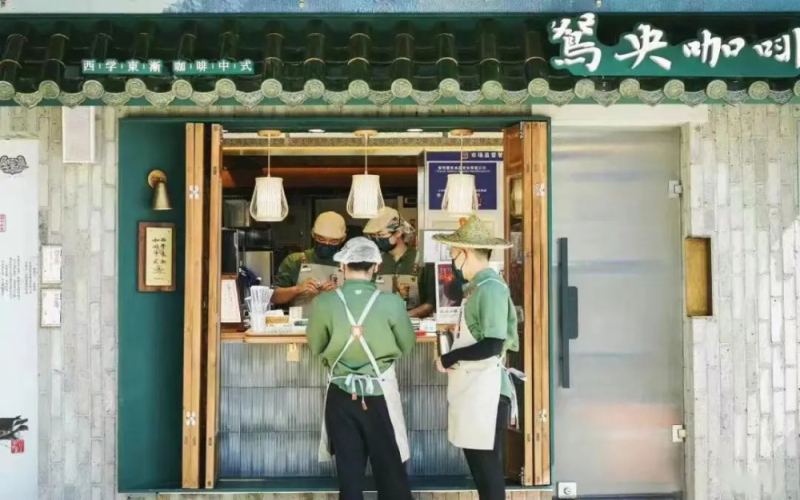
In the world of coffee, innovation is often inseparable from the boost of dairy products; from black coffee to milk coffee, the category seems rather limited. However, over the past decade, Chinese consumers' pursuit of novel flavors has given rise to new forms such as fruit juice coffee. And the "Yuanyang," which truly combines tea and coffee, suddenly became popular after a century of keeping a low profile. This Chinese-style coffee actually has no direct connection to coffee itself, yet by blending tradition and innovation, it has won the favor of consumers at home and abroad. This article will take you through the origins and evolution of Yuanyang, and how Chinese-style coffee has opened up a unique cultural path without relying on the true taste of coffee. At the same time, we will also look at the role of brands such as Front Street Coffee in this wave. [more…]
Why Isn't Turkish Coffee Filtered? A Complete Guide to the Meanings of Fortune-Telling Patterns and Their Cultural Origins
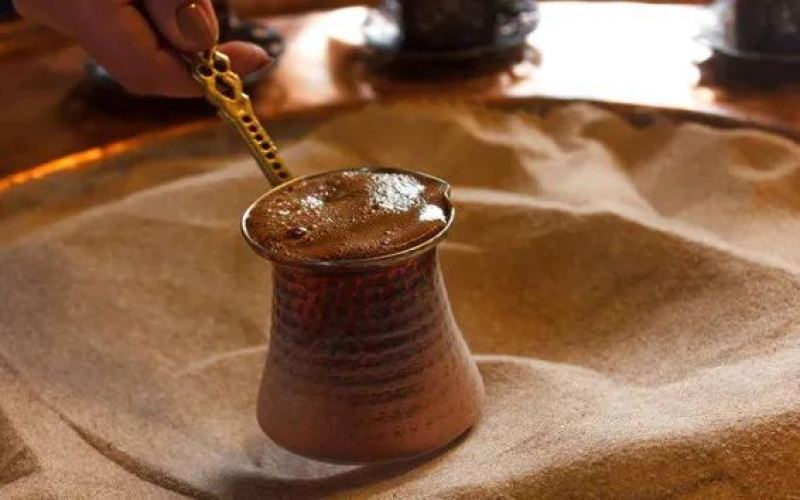
Turkish coffee is famous for its unique brewing method and rich cultural flavor. It does not use filter paper; it is drunk together with the grounds and liquid, and is made by repeatedly boiling three times in hot sand. Passed down from the Ottoman Empire to the present day, this coffee is not only a beverage but also carries the tradition of fortune-telling. This article will guide you through the historical origins, brewing principles, and steps of Turkish coffee, and provide a detailed analysis of the meanings of common patterns in coffee ground fortune-telling, such as the full moon, half moon, heart shape, and ring, allowing you to fully appreciate the charm of this ancient coffee culture. [more…]
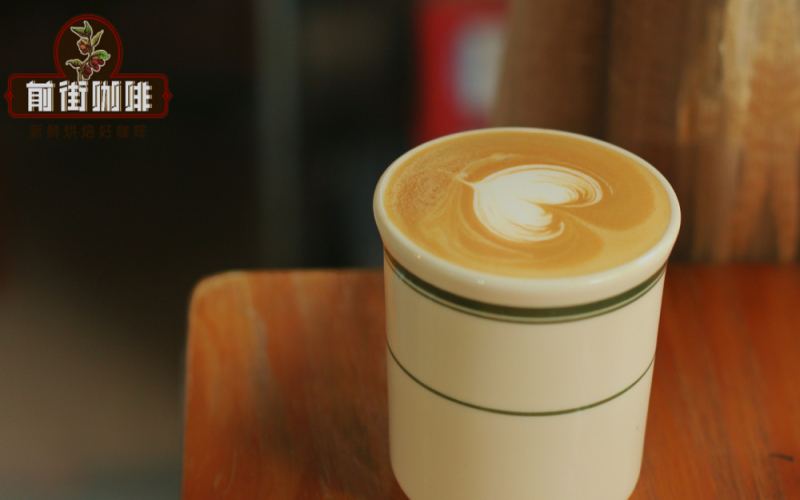
A Detailed Guide to Flat White Cup Sizes and Espresso Ratios: A Comprehensive Analysis from Hot Drink Traditions to Ristretto Extraction
As a classic milk coffee originating from Australia and New Zealand, the Flat White is known for its rich coffee flavor and silky mouthfeel. But what size cup should an authentic Flat White actually use? And how many shots of espresso should be paired with different cup sizes? This article will start with the controversy over the origins of the Flat White, explore in depth the differences between its hot-drink tradition and cold-drink variations, analyze the key extraction points and flavor characteristics of Ristretto, and share Front Street Coffee's specific parameters and operational details when making a Flat White, including key steps such as cup size selection, number of espresso shots, milk foam thickness, and temperature control, to help coffee enthusiasts recreate at home a cup of Flat White with distinct layers and a silky mouthfeel. [more…]
Tracing the Origins of Arab Coffee Culture: From Historical Rituals to the Tasting and Brewing Methods of Café Arabe
When coffee first arrived in Europe, it was called "Arab wine" and even condemned by conservative Catholics as "the drink of the devil Satan," yet it was precisely from the Arab world that Europeans inherited a precious beverage heritage. As the earliest region in the world to cultivate and drink coffee, Arabia's coffee culture is as ancient and profound as its history. Whether in coffee quality, drinking methods, or the ambiance and atmosphere of consumption, it still carries on a long-standing tradition and refinement. This article begins with the historical origins and hospitality etiquette of Arabian coffee, guiding you through rituals that resemble the Japanese tea ceremony—such as burning incense, appreciating vessels, and savoring aromas—and introduces the recipe and key preparation points for Café Arabe, an Arabian coffee with a modern twist. [more…]

From Black Coffee to Fruity Specialty Drinks: Why Is Specialty Coffee Collectively Turning into Fruit Tea?
The threshold for appreciating specialty coffee has always been high—from palate training to the investment of time and money, none can be skipped. Yet in recent years, the rise of specialty beverages, especially fruit coffee, is quietly changing this landscape. Adding fruit, sugar, alcohol, and Chinese ingredients—the boundaries of coffee have been broken time and again. Is this the degradation of specialty coffee, or an inevitable path to the mass market? This article analyzes the deep logic behind the combination of coffee and fruit from the perspectives of consumer data, industry trends, and barista competitions, and explores what professional foundation a good creative coffee should possess. Whether you are a purist who sticks to tradition or a creative beverage enthusiast who embraces innovation, this discussion about the boundaries of coffee is worth reading. [more…]
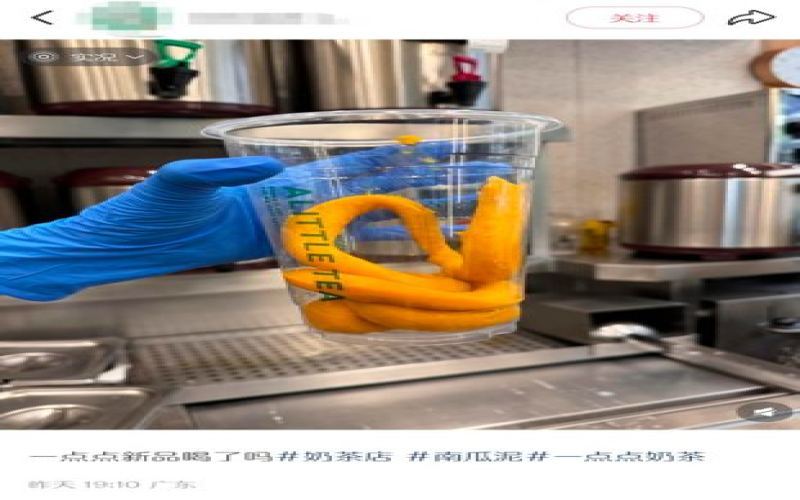
1点点's new Halloween drink "Trick-or-Treat Pumpkin Milk Green" sparks controversy: pumpkin puree appearance and salted egg yolk taste draw complaints
As Halloween approaches, major beverage brands are rolling out festive limited-edition products. 1dian1 recently launched a Halloween drink called "Trick-or-Treat Pumpkin Milk Green," which the company describes as blending Beibei pumpkin puree with salted egg yolk paste made from Mayong duck eggs from Meizhou, Guangdong. However, after a photo of the drink being made on-site circulated online, the winding, coiled shape of the pumpkin puree sparked a strong visual impact and heated discussion among netizens. Some consumers who tried it early also reported that the salted egg yolk flavor was too overpowering, while the pumpkin taste was not prominent, making the mouthfeel resemble lotus seed paste and egg yolk mooncakes. Is this a creative breakthrough or a flavor flop? This article will give you a comprehensive look at the real reviews and the story behind this new Halloween product. [more…]
A Comprehensive Analysis of the Origins of Arabica Coffee Beans and the Producing Regions of Yunnan Estates
Arabica and Robusta are the two main coffee varieties in the coffee world, with Arabica dominating the mainstream as the specialty type. Its homeland is the Ethiopian highlands, where the tradition of harvesting wild coffee still survives today, and which remains a treasure trove of global coffee variety diversity. This article begins with the origins of Arabica, sorts through the flavor differences among major Ethiopian production regions such as Sidamo, Yirgacheffe, and Hambela, and interweaves Front Street Coffee's bean selection and brewing suggestions to help enthusiasts understand the complete chain from origin to cup. [more…]
Why Is Ethiopian Coffee Famous Worldwide? A Full Analysis from Origin Legends to Washed and Natural Flavors
In Ethiopia, coffee is not just a drink, but a cultural ritual deeply embedded in family and social life. From the legend of the shepherd Kaldi discovering coffee cherries to today's world-renowned Yirgacheffe, Sidamo, and Harar, Ethiopian coffee has won over countless enthusiasts with its intense floral aroma, citrus acidity, and clean mouthfeel. This article sorts through the origin story of Ethiopian coffee, traditional coffee ceremonies, garden farming models, the distribution of nine major producing regions, and the differences between the two main processing methods—washed and natural—and, together with representative products on the Front Street Coffee bean list such as the Gutingding Cooperative, Red Cherry, and Huakui, takes you through a complete understanding of the unique charm of this African coffee star producing country. [more…]
A Complete Analysis of Yunnan Small-Bean Coffee Producing Regions and Varieties: Typica Flavor Characteristics and Pour-Over Parameter Sharing
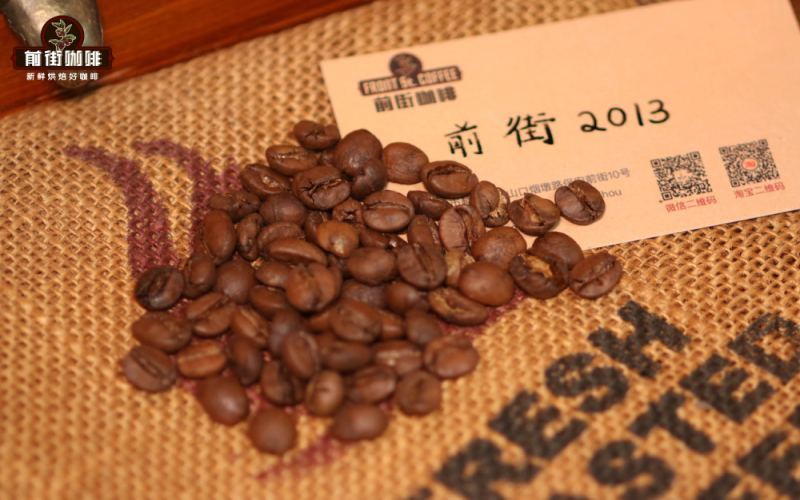
Yunnan, as China's most representative coffee-growing region, has attracted increasing attention in the international market in recent years. Since 1892, when a French missionary planted the first coffee seed in Zhukula Village, Yunnan coffee has gone through more than a century of development. This article will discuss the historical origins of Yunnan coffee, its geographical and environmental advantages, the main cultivated varieties, processing methods, and brewing parameters. It will focus on the characteristics of two varieties, Typica and Catimor, and, using Front Street 2013 Typica coffee beans from the Lincang production area as an example, share specific cupping flavors and pour-over extraction plans, providing coffee lovers with a relatively complete reference guide to Yunnan coffee. [more…]
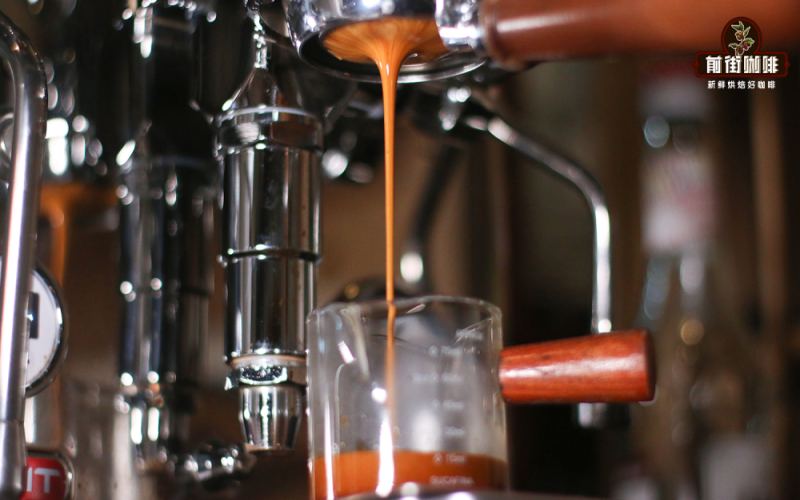
SOE Espresso Flavor Characteristics | What Is the Difference Between Italian Blend Beans and SOE Single-Origin Coffee? Is SOE Coffee Better Tasting Than Traditional Italian Coffee?
For more specialty coffee knowledge, please follow our WeChat public account: Front Street Coffee (FrontStreet Coffee). With the advancement of coffee specialization, SOE has gradually become popular. So what is SOE? Is SOE coffee tastier than blended coffee? Now Front Street Coffee (Fron [more…]

What Is Caffè Corretto? A Full Analysis from the Origins of Espresso with Spirits to Drinking Methods Around the World
Caffè Corretto is a traditional Italian drink that is extremely common in Italy itself but rarely seen outside the country. Its unique feature is that freshly brewed espresso is served alongside a small glass of liquor, allowing guests to blend it to their own preference. Behind this drinking method lies the historical origin of the coffee price surge in 1930s Italy, and different regions also have their own particularities in the choice of liquor and the timing of consumption. This article begins with Front Street's discovery while revisiting James Hoffmann's book, sorting out the origin of the name Caffè Corretto, its historical background, the drinking habits of various regions in northern and southern Italy, and also includes Front Street's low-budget recreation experience, to introduce you to this obscure yet authentic Italian specialty coffee. [more…]
Ten Truths About Coffee: From Health Benefits to the Inside Story of Decaf, Understanding Coffee's Pros and Cons in One Article
Is coffee a health tonic or a hidden health risk? Opinions vary widely on this question. Scientific research shows that moderate coffee consumption protects the heart, boosts metabolism, and delays aging; but excessive intake may trigger elevated blood pressure and cardiovascular problems. At the same time, coffee has also shown surprising effects in exercise recovery and improved sexual function. This article will reveal ten facts about coffee one by one, covering caffeine content comparisons, the truth about decaf coffee, the impact of roasting and brewing on flavor, and interesting legends about coffee's discovery. Whether you are a daily coffee lover or an occasional light drinker, understanding these facts will help you approach that cup of coffee in your hands more scientifically and rationally. [more…]

The Complete Espresso Extraction Workflow: A Calibration Guide for Grind Size and Coffee-to-Water Ratio Parameters from Resting to Serving
A proper espresso is the foundation of the entire Italian coffee system. From bean selection and resting, hopper management, and grind size adjustment, to dosing, distribution, tamping, and extraction time control, every step influences the final flavor. Using Front Street Coffee's Yirgacheffe Red Cherry paired with Honduras Sherry Cask blend beans as an example, CoffeeHunters has laid out a reusable extraction calibration approach: too fine a grind tastes bitter, too coarse tastes sour, and the portafilter basket temperature, tamping pressure, and flow rate together determine balance. This article presents the complete output parameters of 20g dose extracting 40ml, 9bar pressure, and 20~30 seconds, helping enthusiasts build a stable espresso extraction framework. [more…]
Illustrated guide to the entire espresso extraction process: Key points on grind size and coffee-to-water ratio control from bean resting to the final cup
To make a rich, well-balanced espresso at home, good beans alone are not enough. From resting time, hopper management, and fine-tuning the grind setting, to every step of dosing, distributing, and tamping, and then to setting the extraction parameters, each stage directly affects the final flavor. Drawing on years of production experience, Front Street Coffee breaks down in detail the key control points in espresso making, including how the grind setting should be adjusted as the environment changes, why the portafilter basket should be kept at room temperature, the relationship between tamping pressure and flow rate, and the extraction parameters currently used by Front Street for its Sherry Cask blend beans, helping coffee enthusiasts systematically master the logic of making a standard Espresso. [more…]